A CRM and an accounting system that disagree
Customer records maintained twice. Deciding the system of record per field is most of the fix.
The gap between two systems is usually a person with a spreadsheet. Integration replaces that person's copying with something that runs on its own, and the difficulty is almost never the connection. It is deciding which system is right when the two disagree.
So the first pass is agreeing which system owns which field, what happens to a record that exists in one and not the other, and who gets told when a sync fails. Integrations that skip this work fine for a month and then quietly produce two versions of the truth.
Everything is built to be retried and to be idempotent, because networks fail and vendors have outages. A run that partly succeeded and cannot be safely repeated is worse than one that failed cleanly.
Customer records maintained twice. Deciding the system of record per field is most of the fix.
Scheduled exports, a documented file format, or a scraper of last resort, built with the understanding that it will need maintenance.
Two companies, two stacks, and reporting that has to combine them before anyone finishes the migration.
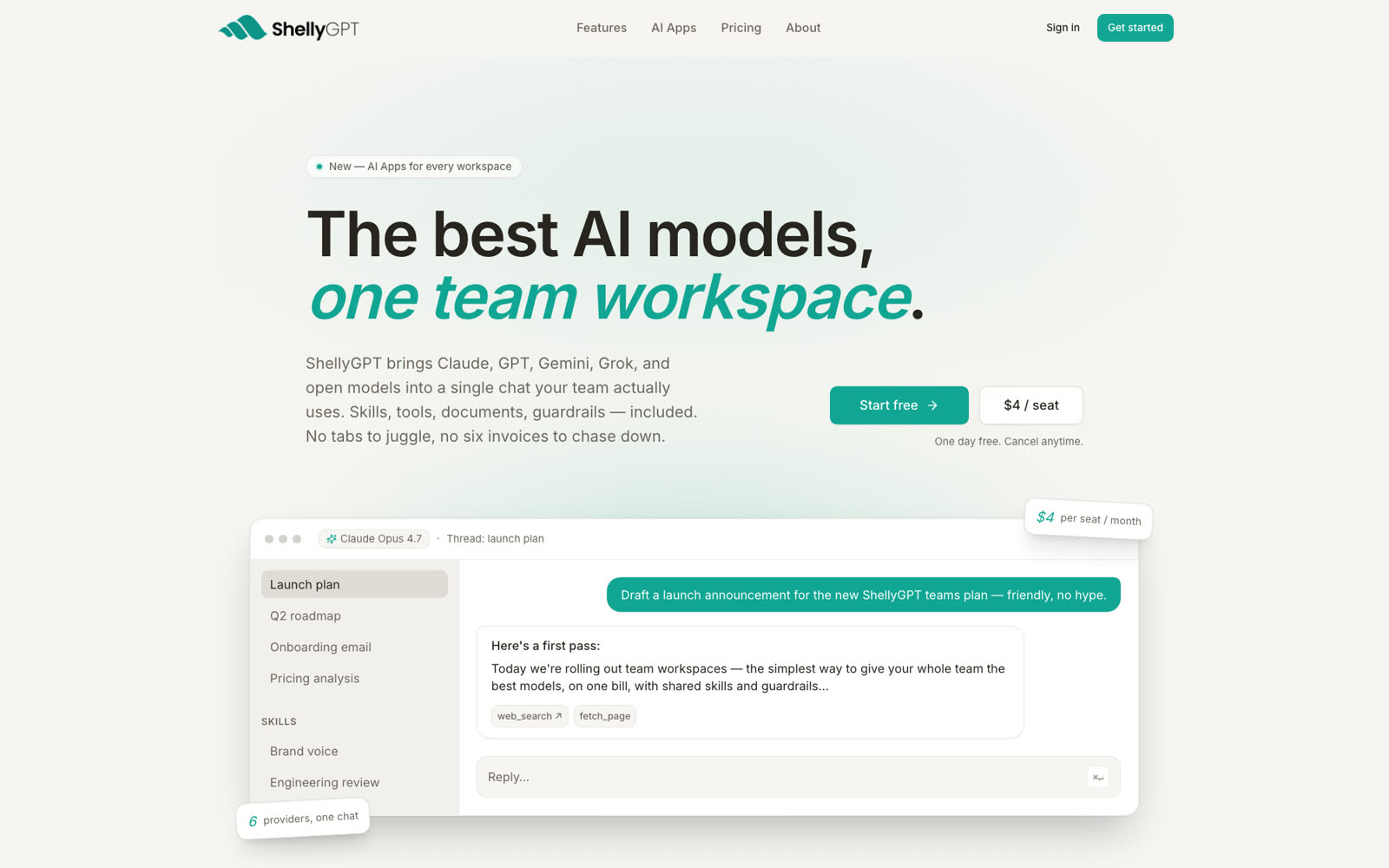
A team AI workspace we built and run: Claude, GPT, Gemini, and open models in one chat, with shared skills, documents, and guardrails. One bill instead of six.
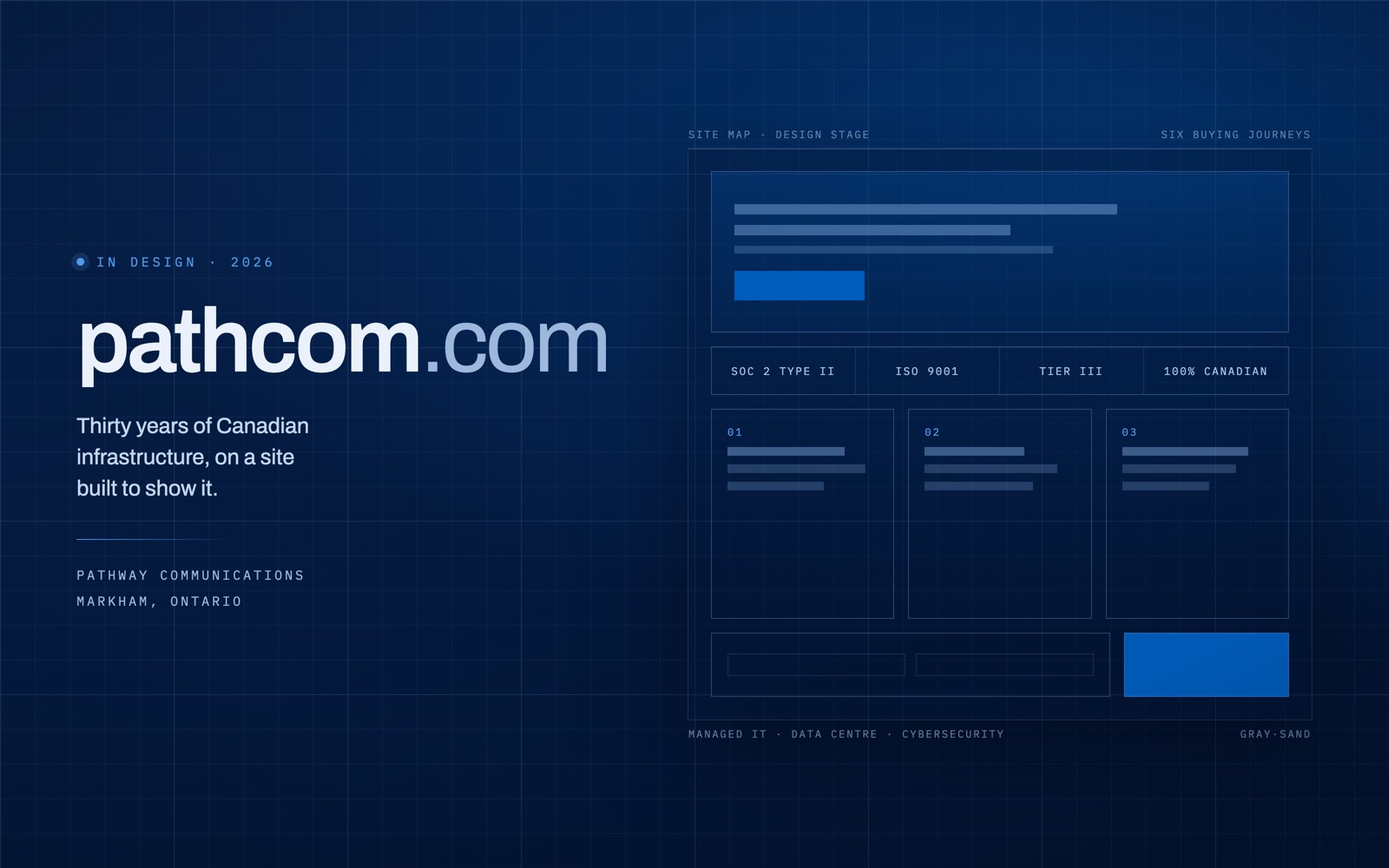
Pathway has run managed IT, cybersecurity, and a Tier III data centre out of Markham, Ontario for about thirty years, on infrastructure that stays in Canada. The rebuild moves them off WordPress and sorts ninety-odd pages into the handful of routes buyers actually take.
In design. pathcom.com is still the old site; the new one lands this year.

Discovery calls are free and usually last 30 minutes. We listen first, and we will tell you honestly if system integration is the wrong thing to spend money on.