A cloud bill nobody can account for
Resources provisioned for a launch three years ago and never turned off. An audit against real usage usually pays for itself immediately.
Infrastructure should be as small as the problem allows. A company serving a few thousand people a day does not need a Kubernetes cluster, and being sold one is how a hosting bill turns into a line item nobody can justify.
We run most things on managed platforms, Vercel and Neon and object storage, because the operational load is close to zero and the failure modes are somebody else's job. When a workload genuinely needs its own servers we run those too, with the configuration in version control rather than in someone's memory.
Backups get restored on a schedule, not just taken. Monitoring alerts a person rather than a dashboard nobody opens. Both are boring and both are the reason an outage is twenty minutes instead of a day.
Resources provisioned for a launch three years ago and never turned off. An audit against real usage usually pays for itself immediately.
A single machine hand-configured by someone who has left. Rebuilding it from code turns a standing risk into a routine deploy.
A press mention or a campaign is a bad time to find the ceiling. Caching and a CDN handle most of it cheaply.
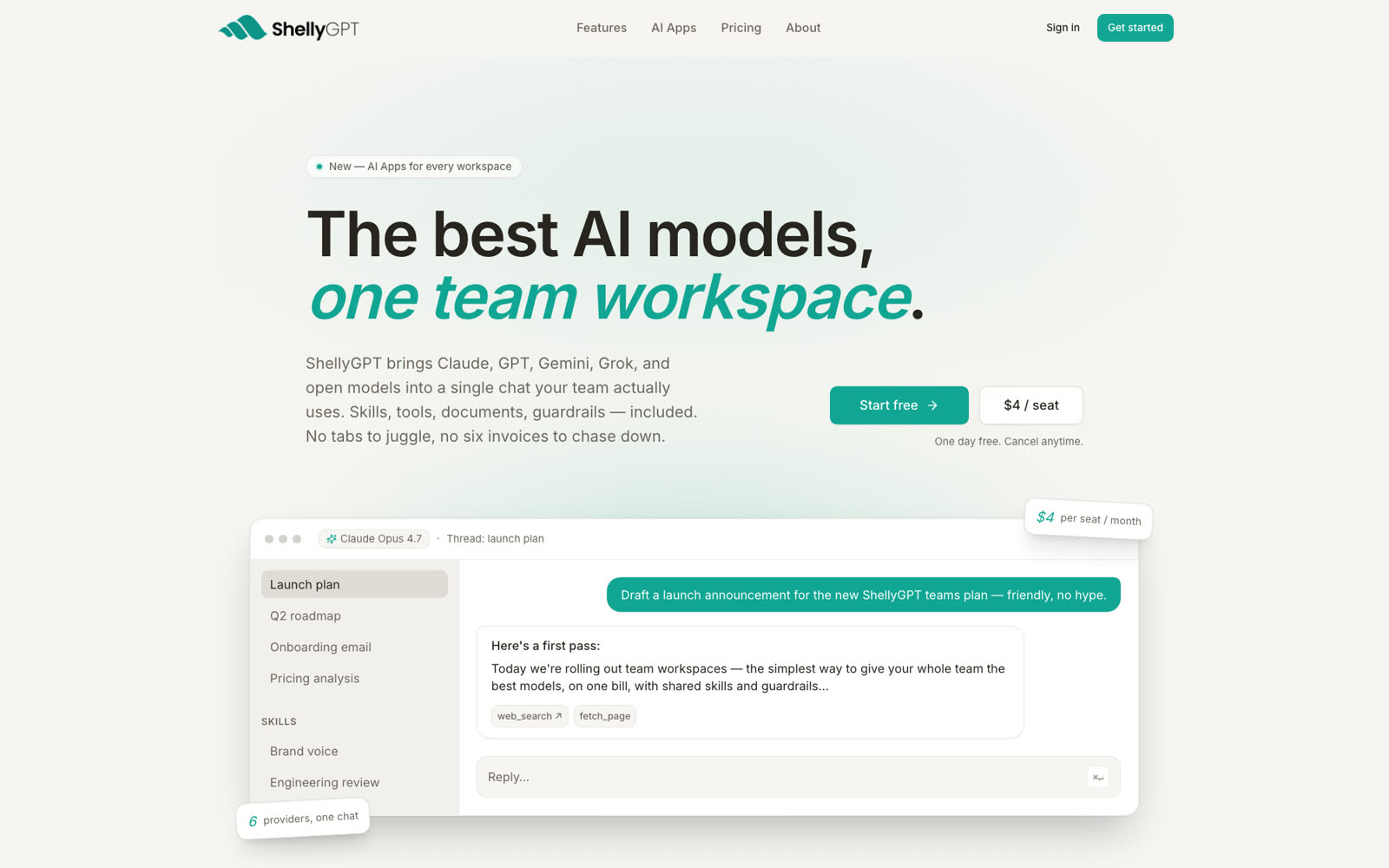
A team AI workspace we built and run: Claude, GPT, Gemini, and open models in one chat, with shared skills, documents, and guardrails. One bill instead of six.

A map-based marketplace where creators and small businesses show their work, sell, and get booked by people nearby. Built as an installable web app, so there is no app store between someone hearing about it and using it.
Early access. Accounts and the feed run on live data; the public launch hasn't happened yet.

Discovery calls are free and usually last 30 minutes. We listen first, and we will tell you honestly if cloud infrastructure is the wrong thing to spend money on.