Deploys only one person can do
A documented, manual sequence that lives with one engineer. Automating it removes both the bottleneck and the risk of a step being skipped.
Teams that release nervously usually have a deploy that is partly manual and partly remembered. Making it one automated path, run the same way every time, changes the pace of everything downstream of it.
The pipeline runs the checks that would otherwise be a person's job: types, tests, linting, a build, a preview environment per pull request, and a schema migration staged ahead of the code that needs it. That last one is not theoretical. A deploy that skipped its staged schema left every profile page on a live site throwing for ten and a half hours on the eighteenth of August, 2026.
Around the pipeline sits the rest of the practice: how work is described, how it gets reviewed, what gets checked before release, and what happens when something breaks. Most of it is agreement rather than tooling, which is why it survives a change of tools.
A documented, manual sequence that lives with one engineer. Automating it removes both the bottleneck and the risk of a step being skipped.
No CI, so nothing catches a break before release. Types and a test suite on the paths that cost money change the ratio quickly.
Deploys became frightening, so they became rare, which made each one bigger and more frightening. Smaller and automated is the way out.

A map-based marketplace where creators and small businesses show their work, sell, and get booked by people nearby. Built as an installable web app, so there is no app store between someone hearing about it and using it.
Early access. Accounts and the feed run on live data; the public launch hasn't happened yet.
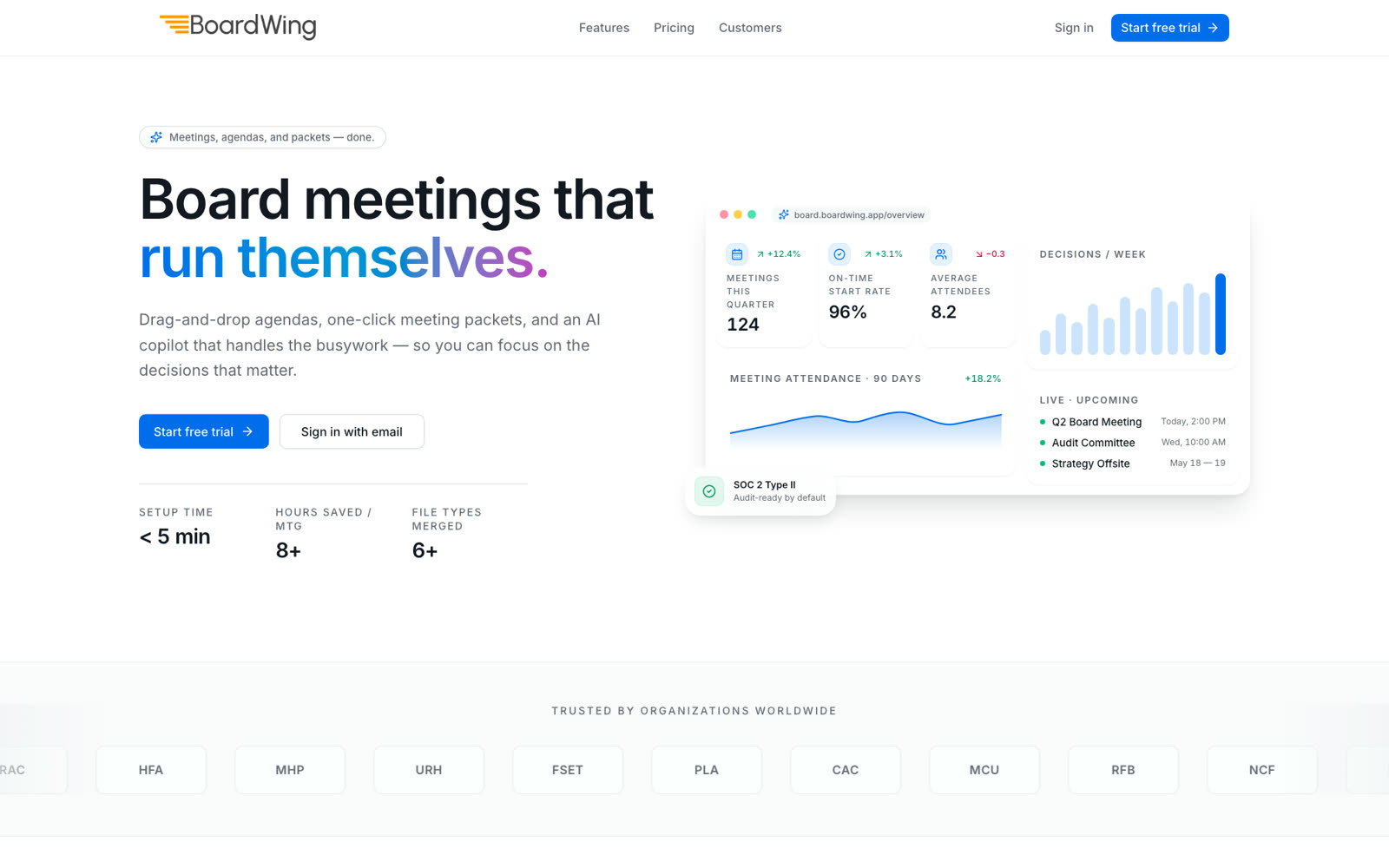
Board meeting software: drag-and-drop agendas, one-click meeting packets, and an AI copilot for the busywork, so boards can focus on the decisions.

Discovery calls are free and usually last 30 minutes. We listen first, and we will tell you honestly if ci/cd and sdlc is the wrong thing to spend money on.