A spreadsheet holding the business together
Shared, edited by several people, and periodically corrupted. Turning it into a real application with permissions and an audit trail removes a standing risk.
Most companies run at least one process on a spreadsheet that four people edit and one person is afraid of. That is usually the first thing worth building properly, and it is rarely big enough for a software vendor to care about.
We build on a deliberately small stack, Next.js and TypeScript and Postgres, and keep it small enough that another developer can take it over. A tool that only its author can maintain is a liability disguised as an asset, however good it is on the day it ships.
Work goes out in weeks, not quarters, and in pieces you can use. The first release usually covers the one workflow that hurts most, which means the thing pays for part of itself before the rest is written.
Boring on purpose. Any developer can pick this up after us.
Shared, edited by several people, and periodically corrupted. Turning it into a real application with permissions and an audit trail removes a standing risk.
A package doing eighty percent of the job, with the remaining twenty handled by hand. Often the right build is the missing twenty percent, connected to the package.
The original developer is gone and the platform is out of support. Migration moves the data and the rules across without pretending the old logic was all correct.
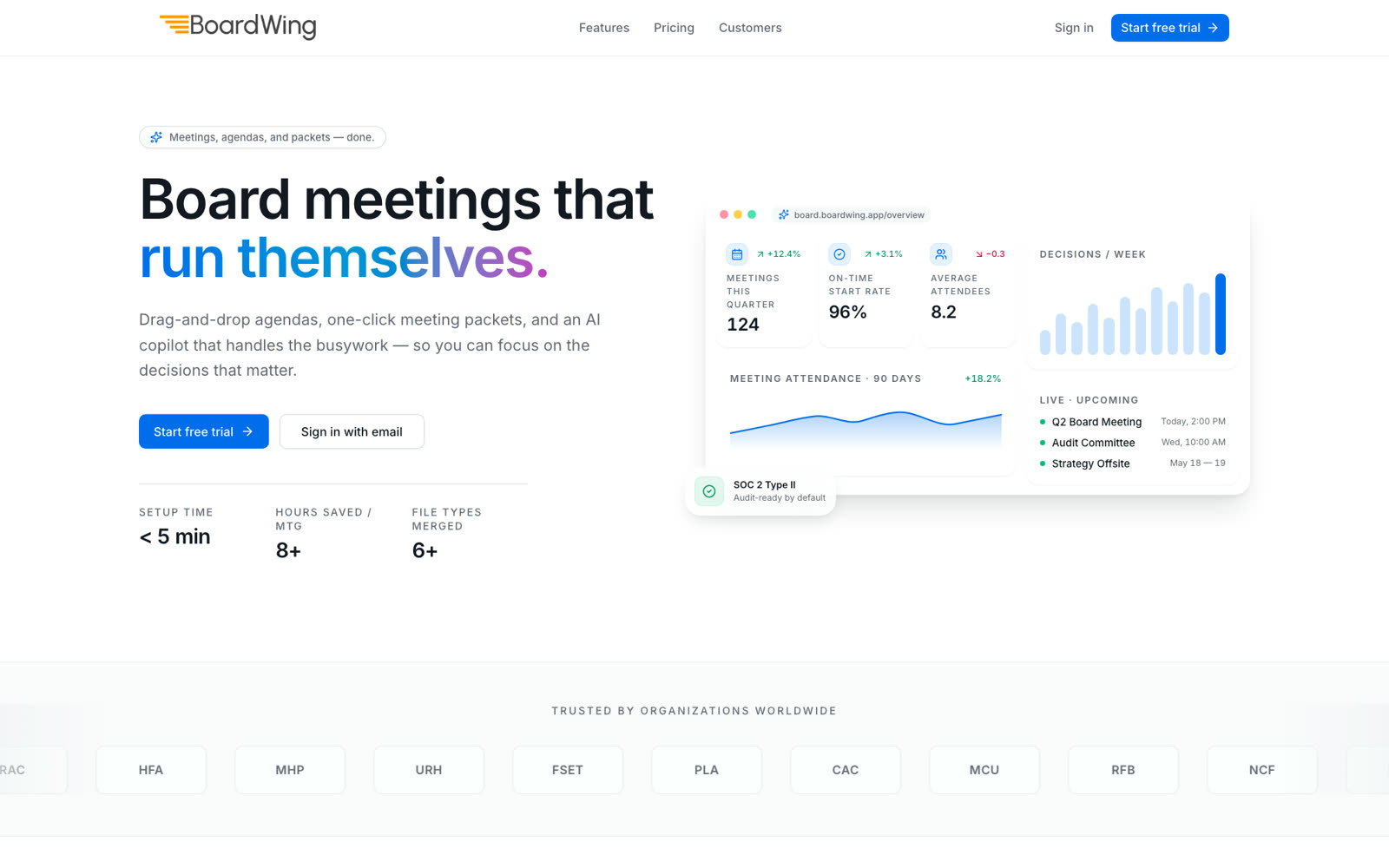
Board meeting software: drag-and-drop agendas, one-click meeting packets, and an AI copilot for the busywork, so boards can focus on the decisions.
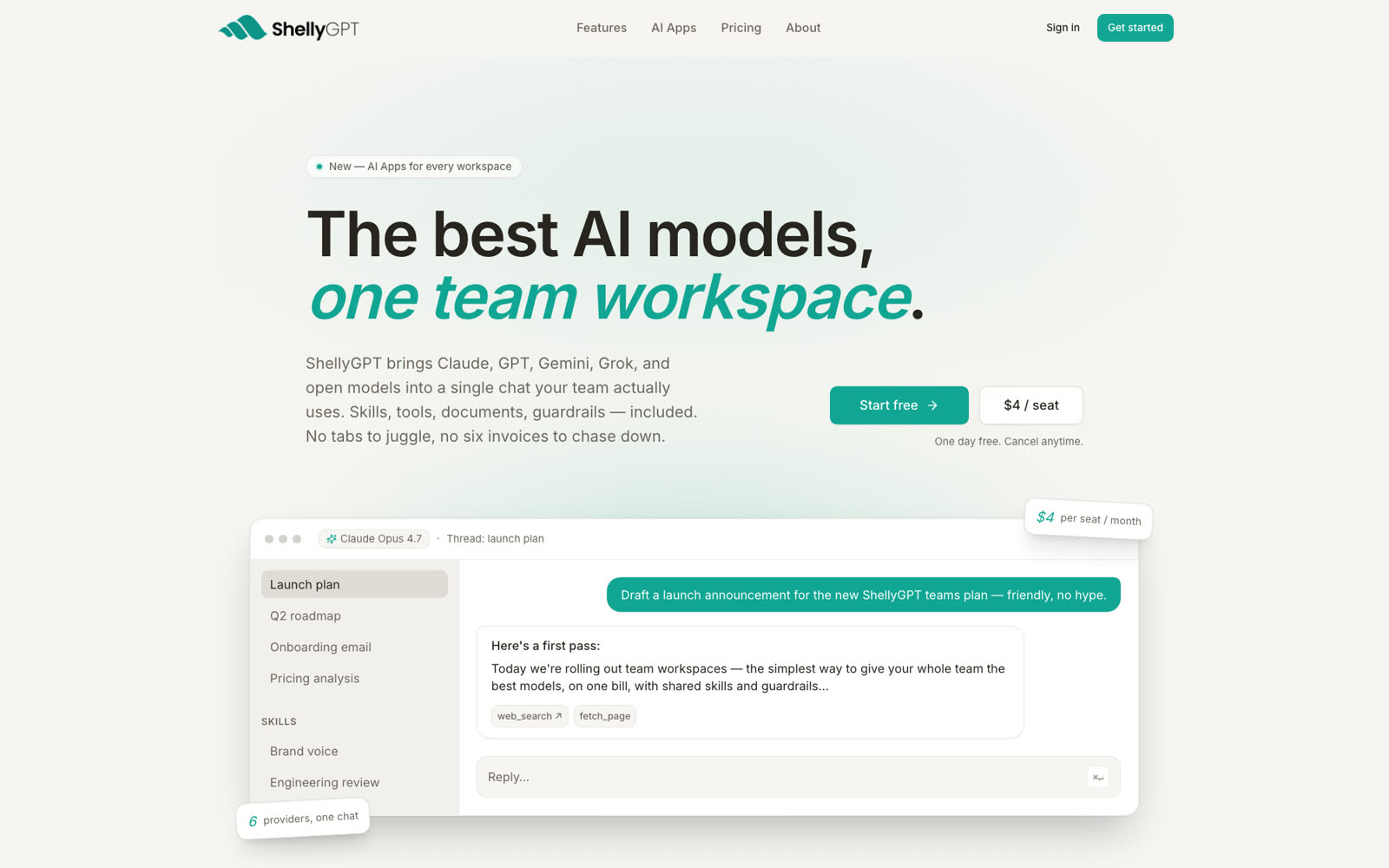
A team AI workspace we built and run: Claude, GPT, Gemini, and open models in one chat, with shared skills, documents, and guardrails. One bill instead of six.

Discovery calls are free and usually last 30 minutes. We listen first, and we will tell you honestly if software development is the wrong thing to spend money on.