Intake typed twice
A form arrives by email and someone retypes it into the operations system. The automation writes it once, validates the fields, and flags the ones a person needs to confirm.
Most offices run a handful of processes that are entirely mechanical and entirely manual: intake typed into a second system, invoices chased by hand, the same follow-up email written for the four hundredth time. Automation takes those, and it works best when the process gets redesigned rather than copied.
We map what the person does now, step by step, before writing anything. Half the value usually shows up in that map, because a step that exists only to feed the next step disappears once the two systems talk to each other.
The automations are built to fail loudly. When an invoice does not match a purchase order, a person hears about it with the reason attached, instead of the run going quiet and the discrepancy surfacing at the end of the quarter.
Nobody retypes anything. The handoffs your team does by hand happen while they are asleep.
A form arrives by email and someone retypes it into the operations system. The automation writes it once, validates the fields, and flags the ones a person needs to confirm.
Numbers pulled from four places into a spreadsheet, then formatted into a deck. The report generates itself on the first of the month and lands in an inbox with the anomalies called out.
Quotes go out and go cold. The automation watches for the reply, sends the second touch on a schedule the team agreed to, and escalates the ones that matter.
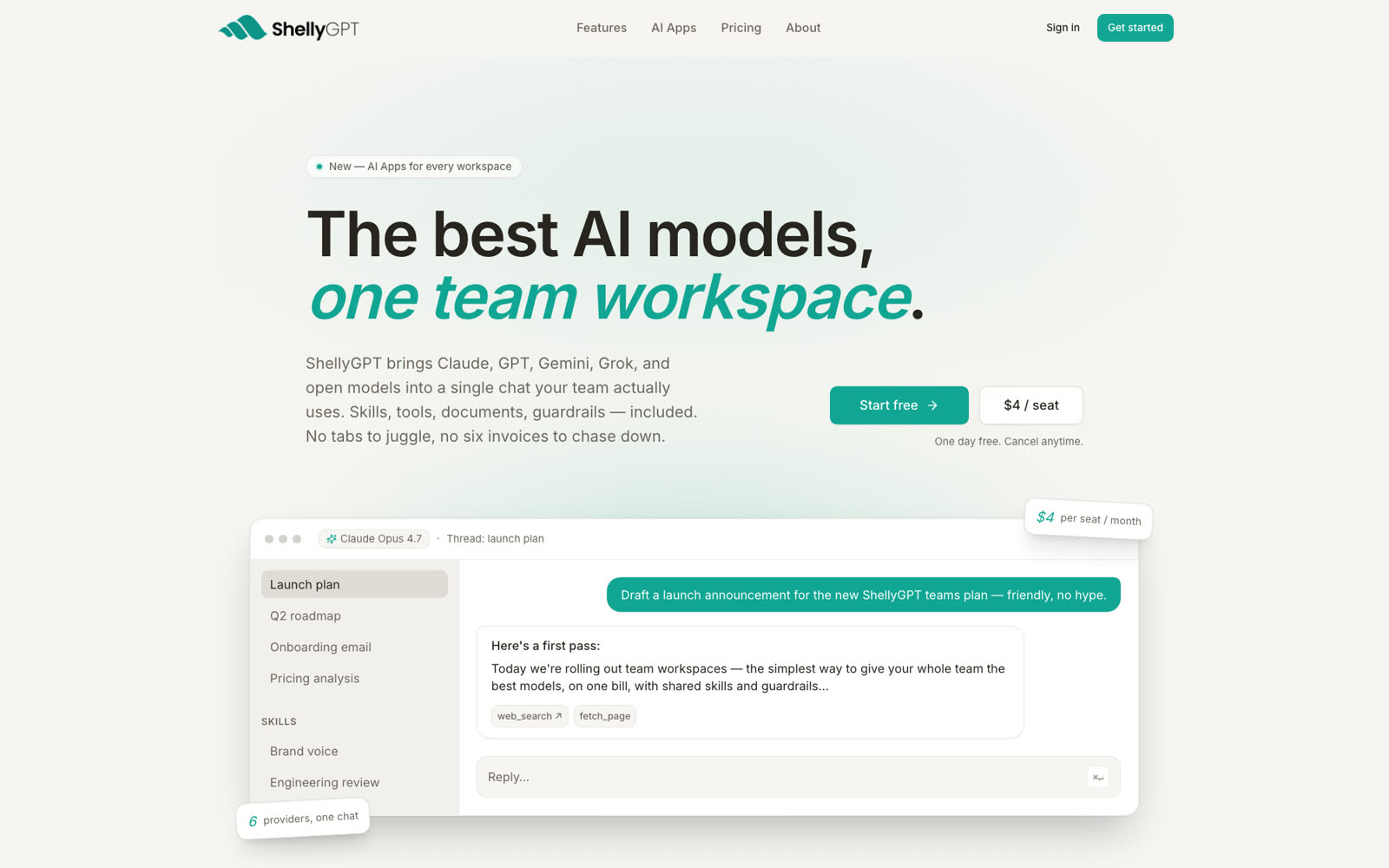
A team AI workspace we built and run: Claude, GPT, Gemini, and open models in one chat, with shared skills, documents, and guardrails. One bill instead of six.
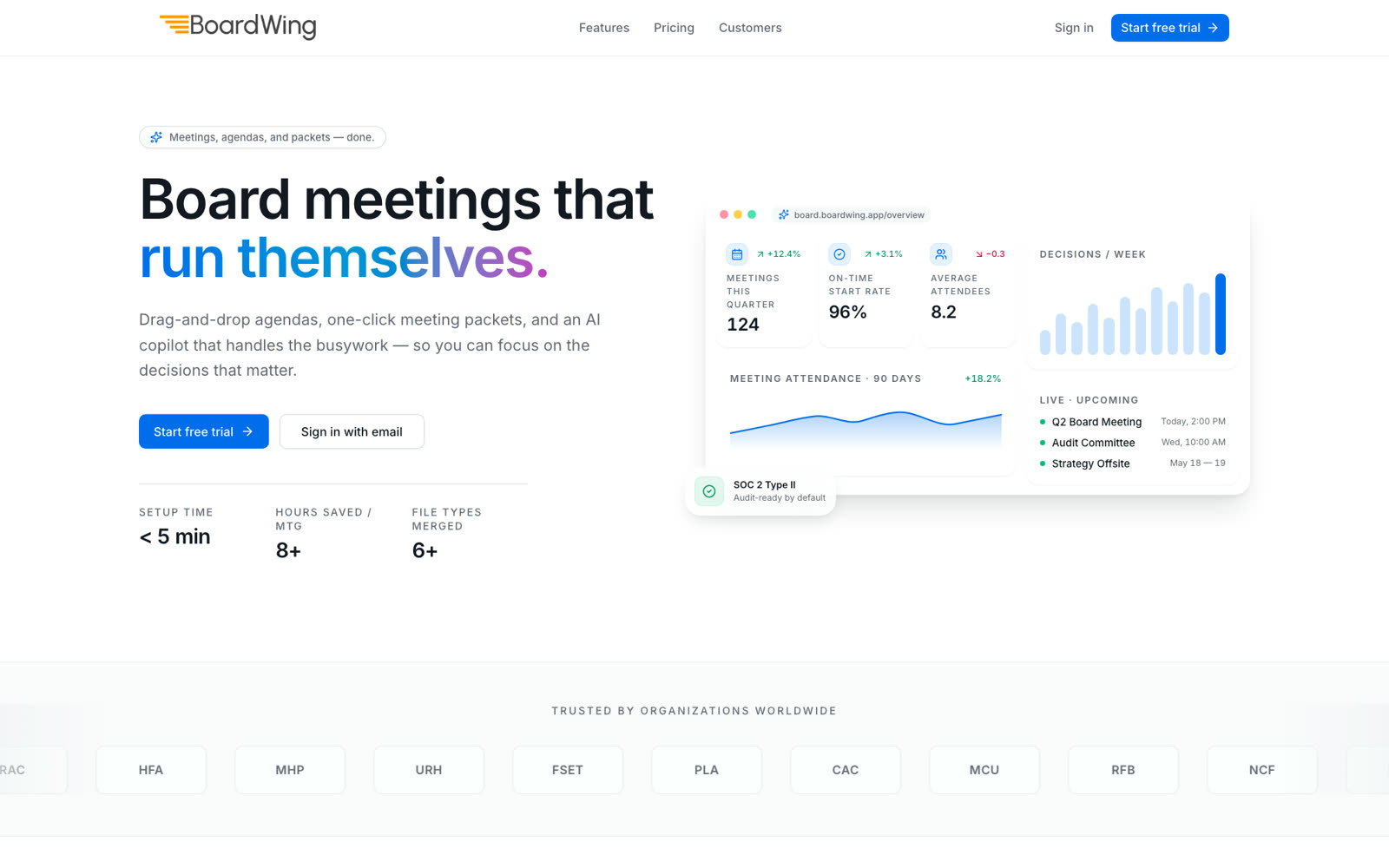
Board meeting software: drag-and-drop agendas, one-click meeting packets, and an AI copilot for the busywork, so boards can focus on the decisions.

Discovery calls are free and usually last 30 minutes. We listen first, and we will tell you honestly if workflow automation is the wrong thing to spend money on.