A form that gets traffic and no submissions
Pageviews say the page works. Event tracking and a replay show people abandoning at the fourth field, which is a five-minute fix.
Analytics is worth having when someone reads it and changes something. Most setups fail that test: a dashboard nobody opens, measuring visits nobody can act on, in exchange for a consent banner every visitor has to dismiss.
We run analytics on our own server rather than sending client traffic to an advertising company. That removes the cookie banner, keeps the data out of a data broker's hands, and puts the numbers inside the client's own admin panel where they are already logged in.
The part that changes decisions is event tracking rather than pageviews. Knowing that four hundred people read the pricing page tells you little. Knowing that ninety of them started the contact form and eleven finished it tells you exactly where to look next.
Pageviews say the page works. Event tracking and a replay show people abandoning at the fourth field, which is a five-minute fix.
Money going to several channels and no way to say which produced work. Tracked links and conversion events close the loop.
The banner exists because of the analytics vendor. Changing the vendor removes the banner and the compliance question with it.
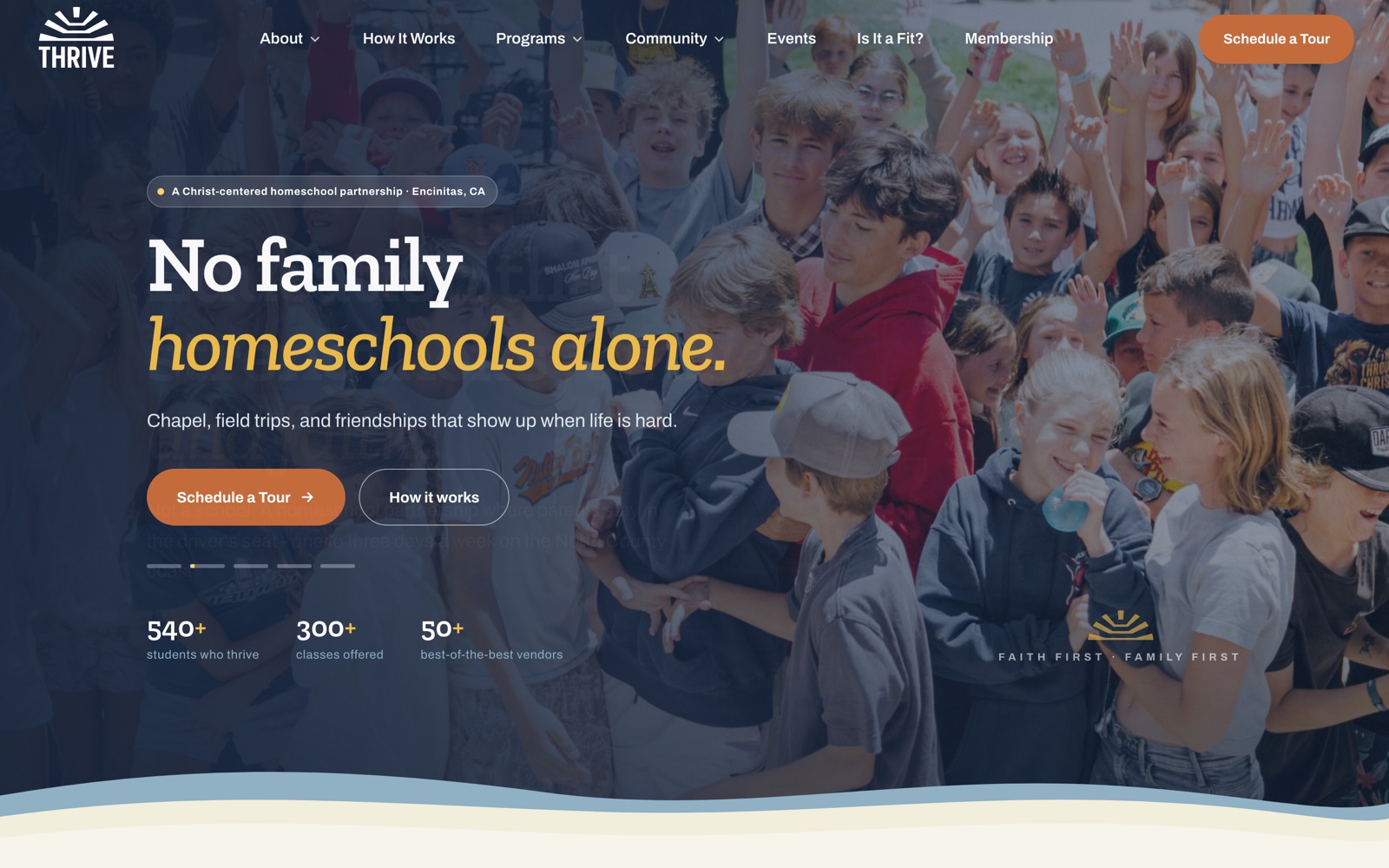
A homeschool partnership in Encinitas with 540 students and 300 classes. Programs, events, tours, and membership all run from a CMS the office staff edit themselves, down to the academic calendar families print at home.
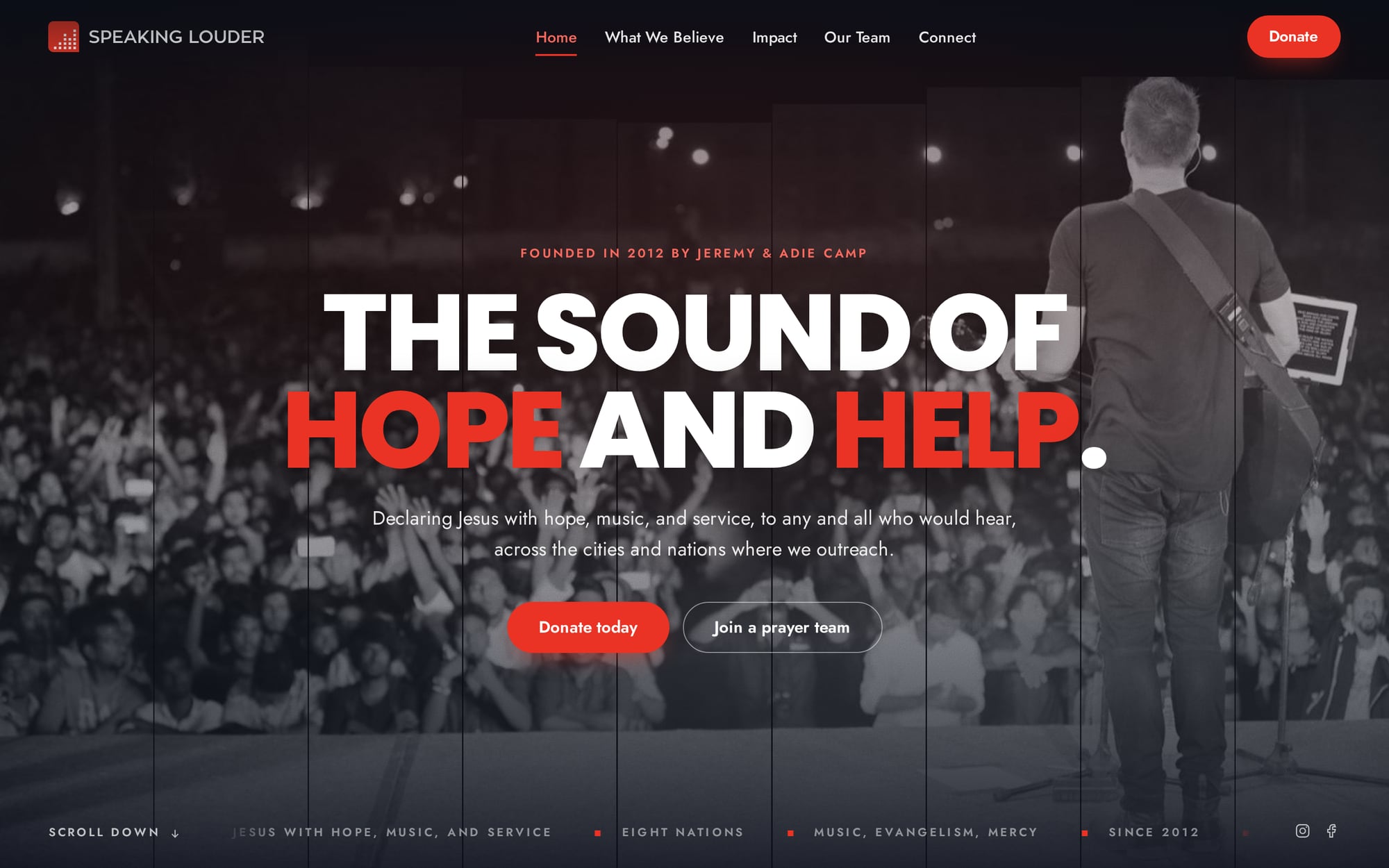
Fourteen years of concerts, home rebuilds, and orphan care across eight nations, on a site that finally shows the work. Their own staff run it, and giving still lands in the account they already had.

Discovery calls are free and usually last 30 minutes. We listen first, and we will tell you honestly if analytics is the wrong thing to spend money on.